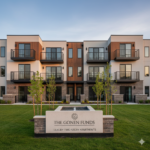
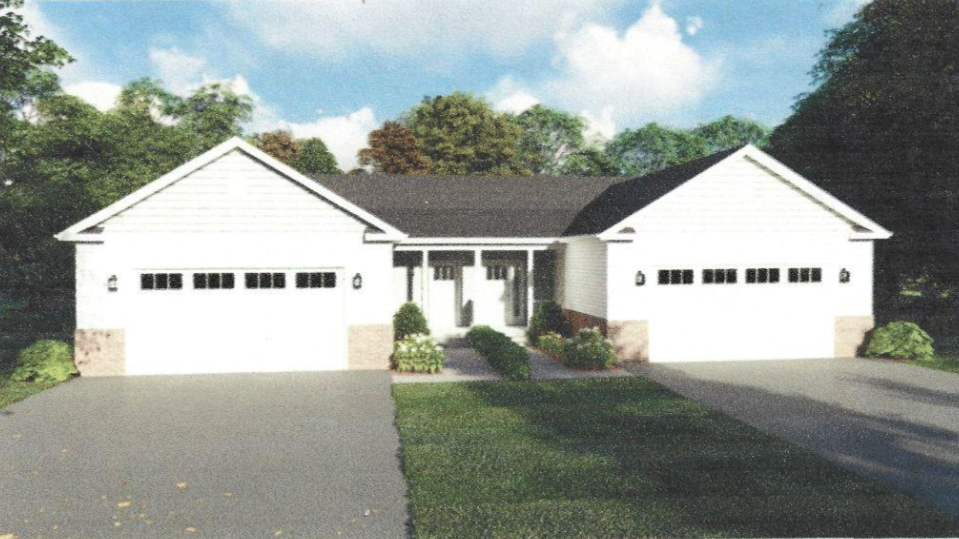
In real estate, Site Condos are a specific legal hybrid. While they look exactly like traditional single-family homes, they are legally governed by condominium laws.
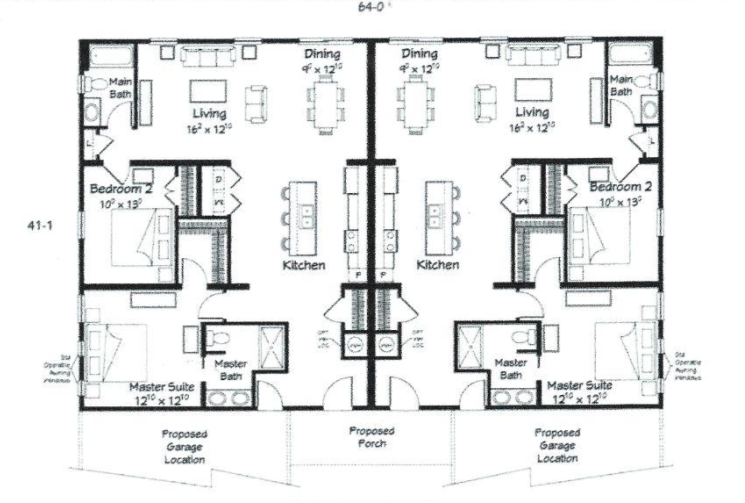
The specific configuration two units, two bedrooms, and two-car garages—is a popular modern layout for developers, especially in markets in Michigan.
1. Who Created the “Site Condo” Concept?
The concept was not created by a single person, but rather by land developers and real estate attorneys in the late 20th century (gaining massive traction in the 1980s and 90s).
- The Problem: Traditional subdivision platting (splitting land into individual lots) is often a slow, expensive, and rigid bureaucratic process.
- The Solution: Developers realized they could use Condominium Acts (which were originally for high-rise apartments) to divide a single large piece of land into “detached units” without needing a full subdivision plat.
- Key Pioneer Region: Michigan is widely considered the “capital” of site condos. Developers there championed the concept to bypass the strict requirements of the Michigan Land Division Act.
2. Brief Description: Two-Unit, Two-Bedroom, Two-Car Garage
This particular setup is often designed as a detatched duplex or a luxury “carriage house” style development.
- The “Unit”: Each owner holds title to their individual building and the land immediately underneath/around it (the “envelope” or “footprint”).
- The Layout: * Two Bedrooms: Often designed for “empty nesters” or small professional families.
- Two-Car Garage: A high-value amenity that makes the condo feel like a “real” house compared to apartments with parking lots.
- The “Site Condo” Difference: Unlike a traditional condo where you only own the “airspace” inside the walls, in a site condo, you own the entire structure and usually the yard. However, you share “common elements” like the private road, neighborhood signage, or retention ponds.
3. Why Developers Love This 2-Unit Setup
Developers frequently use this model for “missing middle” housing:
- Efficiency: It allows for higher density on a single acre than traditional zoning might allow.
- Maintenance: The Association (HOA) typically handles big-ticket items like road snow removal or lawn care for the shared grounds, making it attractive to buyers who want a garage but don’t want yard work.
- Speed: It is often months faster to get a “Condominium Master Deed” approved than a traditional subdivision map.